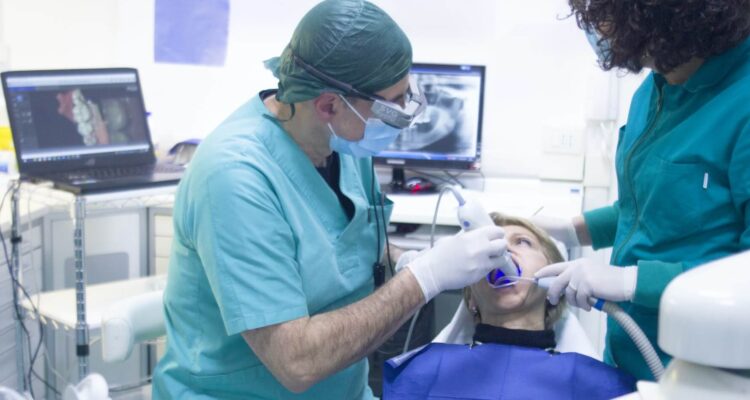
Know these 6 Common Myths About TMJ Disorder

Know these 6 Common Myths About TMJ Disorder

The movement of our jaw is dependent on the joints located right below our ears. It is these joints – known as the Temporomandibular Joints (TMJ) – that allow us to talk, laugh, drink, and eat. If TMJ gets damaged and doesn’t heal enough, it leads to a condition known as TMJ Disorder. Skilled dentists offer TMJ treatment in Albuquerque to effectively resolve this problem. Just like every other dental treatment, several myths about TMJ disorder have been making the rounds lately. To help you get a better understanding about it, here are the top 6 myths debunked:

Myth 1: TMJ Disorder Always Requires Surgery

Several people believe that TMJ treatment is surgical. Surgery is only one of the many treatment options for the disorder. Upon evaluating your case, the dentist will offer a mouth guard or suggest using orthodontic appliances to reduce discomfort and teeth grinding. Surgery is rare and only recommended to patients when the disorder is severe.

Myth 2: TMJ Disorder is Caused Only by Accidents

TMJ disorder is mostly caused by accidents and injuries, but that isn’t the only cause for the same. Other medical conditions such as Bruxism and Malocclusion also lead to this disorder. Just in case you didn’t know, bruxism means teeth grinding, and malocclusion refers to bite issues where the upper and lower teeth are misaligned while closing the jaw.

Myth 3: TMJ Disorder Affects Only the Jaw

Regardless of the name, TMJ disorder do not impact the jaw joints alone. Since the muscles are interconnected, TMJ disorder shall cause pain or discomfort in the ears, shoulders, neck, head etc. In fact, a majority of people with the disorder have experienced headaches due to the pain spreading across the upper body.

Myth 4: TMJ Disorder isn’t Serious

TMJ disorder isn’t simple. It must be cured with an appropriate TMJ treatment in Albuquerque to prevent other health problems. Besides pain and discomfort, TMJ disorder impacts your sleep, weakens your immune system, and causes difficulty in eating. Not to mention how poor nutrition can affect your physical and mental health.

Myth 5: TMJ Disorder is Rare

Not true. Millions of people experience TMJ disorder and seek medical assistance from a dentist in Albuquerque NM. People of all ages can get affected by this disorder.

Myth 6: No Jaw Popping means No TMJ Disorder

If your jaw stopped clicking or popping, it doesn’t necessarily mean that TMJ disorder has been cured. Look out for other symptoms such as bite problems, ear pain, numbness, muscle spasms, and facial pain. Consult a qualified dentist to evaluate with relevant examinations.

Leading dental care centers offering treatments such as dental implants, bridges, teeth whitening in Albuquerque and more, do provide TMJ treatments at reasonable rates. Now that you’ve obtained more clarity about TMJ disorder, make sure to get it cured with the assistance of a dentist.

Comments

Popular posts from this blog

Make Your Dental Implant Last: Habits That Save You Time and Money

  Dental implants can transform your smile, but their success depends on more than the procedure itself. Daily habits, lifestyle choices, and routine care all play a vital role. For those exploring cheap dental implants Sydney options, it’s important to think beyond the initial price and focus on long-term care. Start with Smart Planning Work with a dentist who uses 3D imaging and detailed treatment plans. A thorough assessment of bone and gum health lowers the risk of failure. While the dental implants cost Sydney patients pay can vary, skilled planning is often more affordable than fixing early complications. Quit Smoking and Support Healing Nicotine slows healing and increases the risk of infection. Conditions like diabetes or gum disease also reduce implant success. Tackling these issues upfront improves outcomes and protects the value of your investment. Prioritise Oral Hygiene Brush gently with a soft toothbrush, clean between teeth, and book regular dental vis...

The Ultimate Denture Upgrade: Understanding Implant-Supported Overdentures

For individuals missing all of their teeth in an arch, traditional dentures have long been the default solution. However, they often come with frustrating compromises: slipping, sore spots, and a weak bite. For these patients, implant-supported overdentures offer a revolutionary upgrade, blending the stability of implants with the coverage of a denture to dramatically improve quality of life. What Are Overdentures and How Do They Work? An implant-supported overdenture is a full denture that, instead of resting on the gums and relying on suction or adhesives, clips securely onto a small number of strategically placed dental implants. Typically, just two to four implants in the lower jaw are enough to provide a life-changing level of stability. The benefits are immense: No More Slipping: The denture is firmly anchored. You can speak, laugh, and eat with the confidence that it will not move, click, or fall out. Increased Biting Force: The direct connection to the ...

Challenges of Late Wisdom Teeth Removal in Adults

   Wisdom teeth removal Sydney  is in creasingly sought after by adults over 30. While extractions are common, late removal comes with unique challenges. Challenges of Late Extraction ·           Denser Bone: Adult jawbones are harder, making extractions technically more demanding. ·           Fully-Formed Roots: Roots are larger and more developed, increasing the complexity of removal. ·           Higher Risk of Complications: Adults are more prone to post-operative issues such as dry socket, swelling, and prolonged discomfort. Pre-Surgical Planning ·           Thorough Assessment: A comprehensive dental history and clinical examination are essential. ·           Imaging Precision: Detailed X-rays or CBCT scans help map root structure and nearby nerv...